Who Owns This Domain? How to Find, and Actually Reach, the Owner
 Bret Siers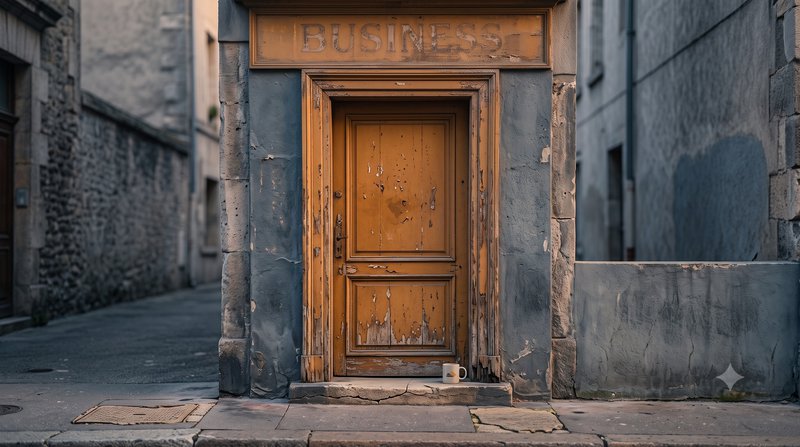
Photo by Alex Quezada on Unsplash
Who Owns This Domain? How to Find, and Actually Reach, the Owner
Someone found your domain today. They had a name in mind for a business, a project, something they'd been thinking about for months. They typed it into a browser and got a blank page. Or a parking screen with three ads for car insurance. So they did what anyone would do. They opened a new tab and searched "who owns this domain."
They found nothing useful. And then they gave up.
This article is written from the perspective of someone doing that search. But if you own domains, the more important question is what their search reveals about you.
What a Domain Owner Lookup Actually Shows
A WHOIS lookup is the internet's standard method for identifying domain registration information. Since GDPR took effect in 2018, most of that data has been replaced by privacy proxy addresses. Where there used to be a name and contact, now there's a wall. According to Interisle's 2026 analysis, WHOIS query volume still exceeds 66 billion per month. People are searching. They aren't finding anything.
So the person runs the lookup. They get a proxy. They're done. If you've ever wondered whether the privacy protections on your own domains are working, they almost certainly are. The question is what that protection costs you when someone with genuine interest tries to find you.
Why Most Paths Between Interested Person and Owner Are Broken
When WHOIS fails, some people try a second route. They search for the domain name on social media. They check the Wayback Machine. They look for someone who mentioned the name in a forum post or a company filing. A domain that's been sitting dark for three years leaves almost no trace.
Others try the registrar forwarding address, the anonymous email that some providers attach alongside the WHOIS mask. Messages get filtered, ignored, or routed to an inbox nobody checks. The person sending them has no way to know whether their note was received, bounced, or deleted by a spam filter.
Some hire intermediaries. The process is slow, expensive, and rarely on the owner's terms. The everyday person who just wants to ask "would you consider a conversation about this name?" doesn't have access to that infrastructure. They send one message into the void and wait. Most give up.
The owner never knew it happened.
The Turn: What Their Search Says About You
Here's the part that matters if you're the one who owns the domain.
Every path described above ends the same way. The person moves on and picks a different name. The one they really wanted stays parked. Not because they lost interest. Because there was no way to reach you.
When you think about managing domains across multiple registrars, most of the conversation is about organization. Renewal dates, registrar dashboards, keeping track of what you have. That's the inward-facing problem, making sure you don't lose what you own. But there's an outward-facing problem too. When someone on the other side of the internet wants what you have, can they find you?
Your WHOIS privacy settings protect your personal information. That's reasonable and necessary. But privacy and invisibility are not the same thing. Privacy protects you. Invisibility costs you optionality. And if the only signal your domain sends is a blank page or a parking screen, you are invisible.
You Don't Have to Choose Between Invisible and For Sale
Most owners assume a domain has only two states. Dark, sitting on a parking page, sending no signal. Or listed, put on a shelf with a price tag in a marketplace. Neither fits someone who isn't trying to sell but doesn't want to vanish either.
There is a third option, and it is the whole point. A domain can be open without being listed. Reachable without a price tag. Present enough that the right person can find a way to start a conversation, without you becoming a seller or living inside a marketplace. Privacy protects you. Invisibility costs you optionality. The reframe is simple: you can be reachable without being for sale.
You have domains. Maybe five, maybe twenty. Some you registered during a good idea at 2am three years ago. Some you're quietly certain are worth something, and some you've checked what they're actually worth before landing here. Some may have had visitors this month. Some may have been people with real interest. You'll never know, unless there was a way in.
This is the gap between owning something and being findable as its owner. A domain that can't be reached is a domain that can't receive opportunity. Not a listing. Not a price tag. Just presence, and a way in. That gap is what SiteWarming was built to close. What is SiteWarming?
The Option You're Keeping Open
The most valuable domains aren't listed anywhere. They're reachable. Not through a catalog. Not through an intermediary who takes weeks to pass a note. Directly. Because the owner chose to be present, not invisible.
Every domain you own is a potential conversation you haven't had yet. Not a price tag waiting for someone to browse past it. A conversation. The kind that starts with "I've been looking for this name" and ends somewhere neither of you expected. But that conversation can only happen if there's a path in.
Your domain doesn't need to be listed to be reachable. It just needs to not hide.
Your domain is an asset. Its value isn't just in the name. It's in the optionality of who might come looking for it, and whether they can find you when they do.
Share this article
Ready to Transform Your Domain Portfolio?
Start building real value with your domain investments today.